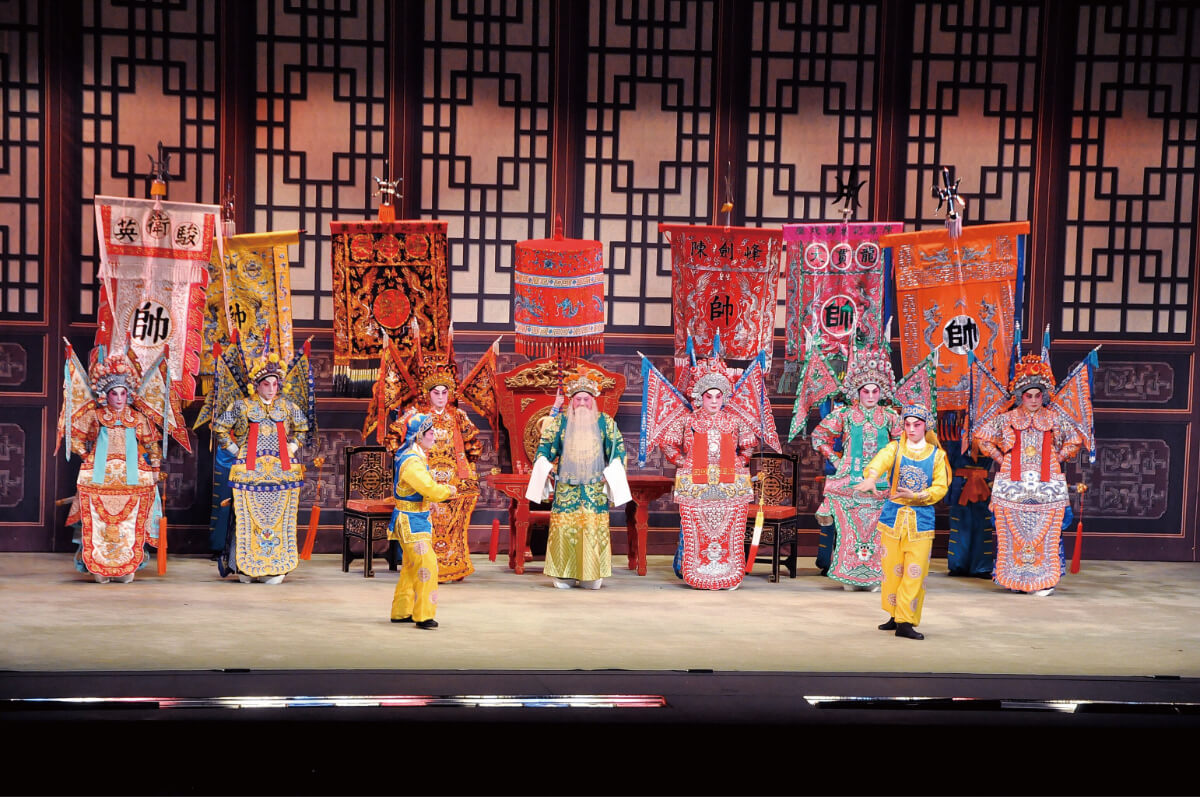
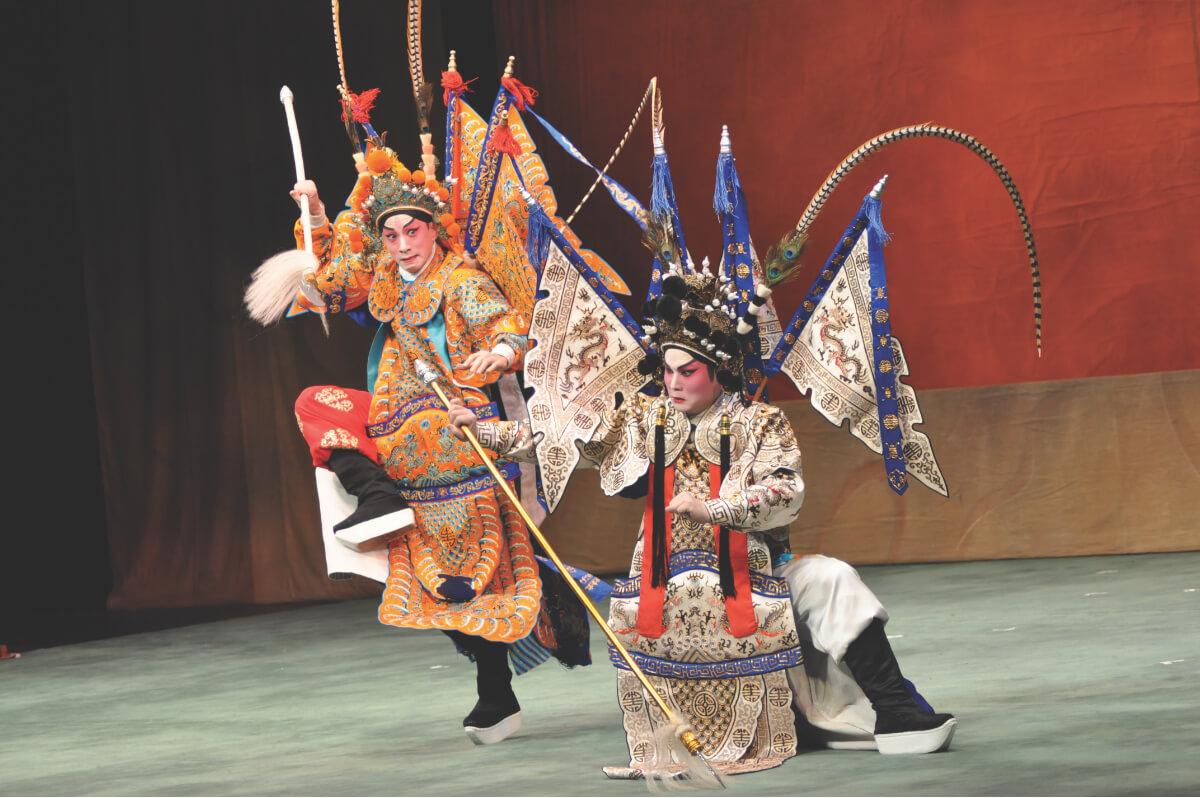
Cantonese opera is a treasure of traditional Cantonese culture. As the representative of the industry, the Association has a duty to safeguard Cantonese opera, and must do its best to retrieve and make good the traditional performances that are gradually being lost. To this end, in 2008 the Association launched the Oral History Project, in which members of the Board of Directors interviewed a number of veteran Cantonese opera practitioners, both on stage and behind the scenes, and compiled the interviews into books and video discs, published as the Oral History Series of Cantonese Opera Artists of The Chinese Artists Association of Hong Kong. As both interviewers and interviewees are Cantonese opera insiders, they can cross-reference and corroborate one another on the history of Cantonese opera and on traditional stage performance. Three volumes have been published so far, and the Association hopes to continue recording interviews with other veteran practitioners so that their artistic experience and stage knowledge may be passed on. The transmission of old plays is carried out through training programmes for young performers and for emerging talents, which hand down the performance methods and singing and acting techniques of the old plays from generation to generation. The Association also works with the Government to introduce the features of traditional staging conventions and standard repertoire at major celebrations and large-scale performances, and archives the performances of renowned artists as permanent records.
In recent years, the Association's transmission programmes have included training classes for young Cantonese opera performers and the Cantonese Opera Young Talent Performance Series, both of which have had a measurable impact on training a new generation of performers. Many young performers have been hired directly by professional troupes after graduating, and audiences for emerging performers continue to grow. The Association has also created many opportunities for students and emerging performers to exchange and learn with troupes from major regional opera genres on the Mainland, in the hope of broadening their horizons and outlook so that they can readily embrace the strengths of other genres across the country and enrich Cantonese opera. However, constrained by the nature of Hong Kong society, the Association finds it difficult to provide performers with regular, comprehensive skills training; to become a good performer, one must rely on one's own continued study and effort.